Great stuff
We use creativity and innovation to deliver quality services and value beyond our clients' expectations. We concentrate our efforts on new opportunities for growth within sectors where we can make a positive contribution.
Welcome to Space Group
The Space Way
54321
For more than 20 years, 54321 has been the foundation of how Space has developed. It sits at the centre of everything we do.
Culture“The values, typical practices and goals of a business or other organisation.” The Space Way is ours, written down.
SuccessThe accomplishment of an aim or purpose. Success is different for everyone, so 54321 is about balance.
What every Spacer needs from their career.
No one part wins at the expense of the others.
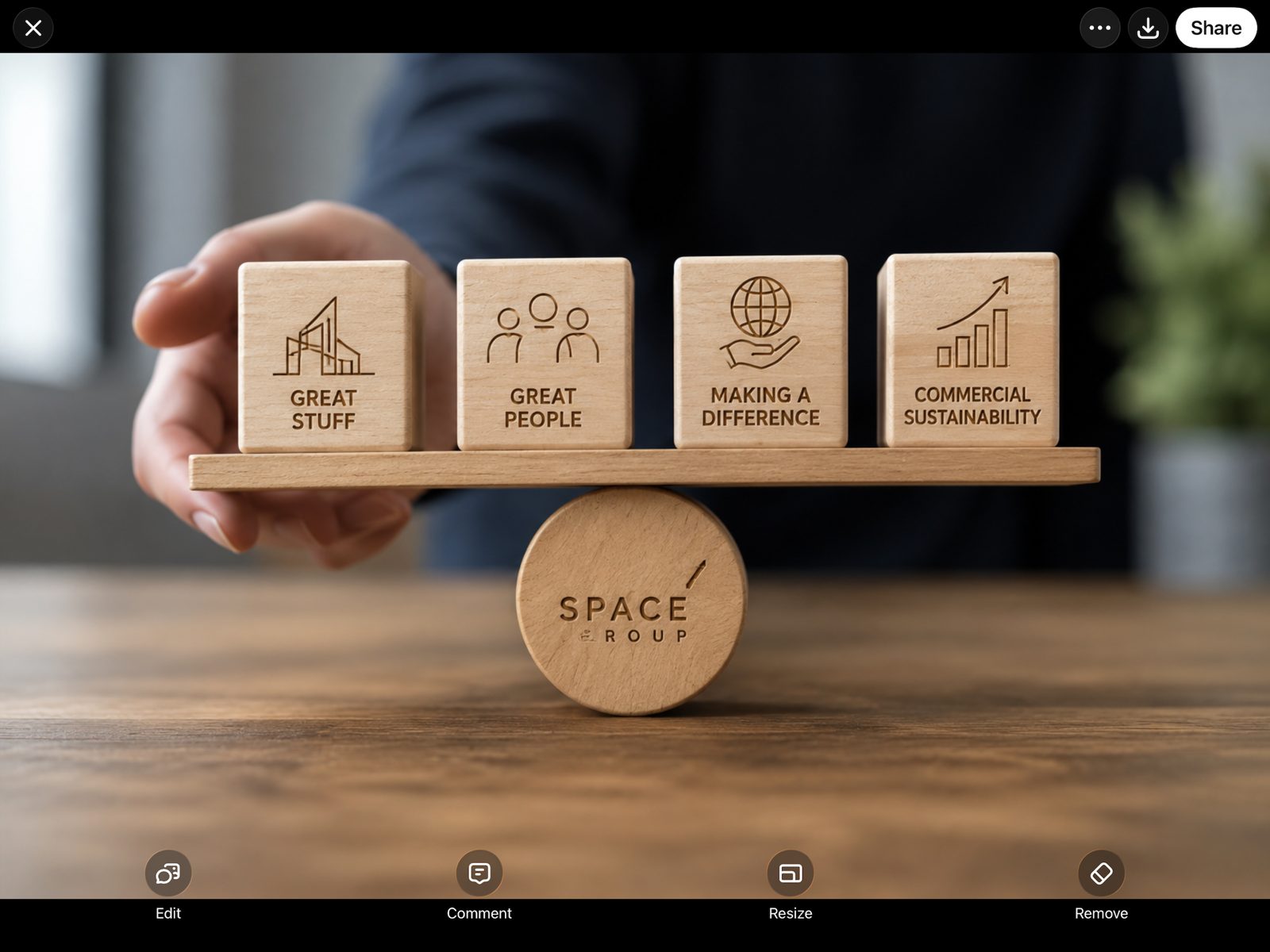
We use creativity and innovation to deliver quality services and value beyond our clients' expectations. We concentrate our efforts on new opportunities for growth within sectors where we can make a positive contribution.

We want Space to be the best place to develop your career: valued, rewarded and challenged, with clear progression and the freedom to use your initiative and creativity. We share in our success.

Making a lasting positive impact on people and the planet is our core purpose. We invest and contribute to the communities and markets we work within.
Profit allows us to achieve our objectives and deliver on our purpose. Growth is a measure of strength and central to a sustainable organisation.
We innovate in everything we do, questioning established approaches and turning good ideas into better buildings, smarter tools and better ways of working.
Our purpose
Architecture for Good
Everything in 54321 comes back to this.

Wherever you've joined, The Space Way is how we all work.

Our architecture practice, founded in Newcastle in 1956. Schools, universities, healthcare, civic, heritage and listed buildings across the UK.

Our digital consultancy, set up in 2011 to help clients get the most from BIM and building information, and now growing into smart buildings.

Our BIM content platform, grown from the practice's own object library. It helps specifiers find manufacturers' products and their embodied carbon data.

Our digital twin platform. It brings a building's model and live data together so owners can see how their buildings are really performing.
…and the group support team behind all four, together at Spaceworks in South Gosforth.
Our story
From post-war Newcastle to a group of four businesses.
1956
Arnold Shaw Waring and Leonard Netts establish Waring and Netts following their work in Newcastle City Architect's Department. The practice emerges from post-war reconstruction, shaped by public service and social responsibility.
1958
Early commissions in housing and local authority work establish a reputation for reliability and clarity at a time of rapid national building programmes.
1963
The practice is appointed Consulting Architects to Morpeth, Wallsend and Gosforth Councils, signalling growing trust and regional presence.
1968
Completion of Montagu Court introduces a new level of architectural confidence to Gosforth, combining density, amenity and ambition in a landmark residential building.
1970
Avondale Court receives national recognition, confirming the practice's standing beyond the region and reinforcing its commitment to quality in housing design.
1973
Bulman House is delivered as a collectively owned professional building in Gosforth. It becomes the practice's home for several decades and a symbol of stability.
1979
Leadership transitions are carefully managed, ensuring continuity as founding partners step back and new voices shape the studio.
1980
Appointment to the Tyne and Wear Metro embeds the practice within one of the region's most significant infrastructure projects.
1984
Blyth Community Hospital marks a decisive move into complex healthcare environments and establishes a long-term sector specialism.
1988
The Cadcam Centre for British Shipbuilders reflects technical confidence and a forward-looking approach to research and innovation buildings.
1991
A long-term relationship with Aldi Stores UK begins, introducing systemised delivery and efficient construction.
1994
Conservation work with the National Trust at Cragside and Gibside signals the emergence of heritage and reuse as a defining strand of the practice.
1997
A new headquarters opens at Balliol Business Park, Benton, marking confidence and permanence as the practice enters a new century.
2000
Strategic focus shifts towards education, public investment and partnership-led delivery.
2006
Major education programmes expand the practice's reach across the UK, reinforcing its reputation as a trusted delivery partner.
2007
The practice becomes SPACE Architects, reflecting an evolving identity and broader ambition.
2011
National growth accelerates, supported by expanded digital capability and multi-office working. BIM and digital workflows are embedded at the core of practice, laying the groundwork for specialist businesses and tools.
2016
Spaceworks opens in South Gosforth, bringing the wider Space Group together in a shared workplace designed around collaboration and culture.
2018
Creative reuse and transformation of existing buildings become central to the portfolio, alongside continued education and civic work.
2023
SPACE Architects achieves B Corp certification, formalising a long-held commitment to responsible practice and business as a force for good.
2025
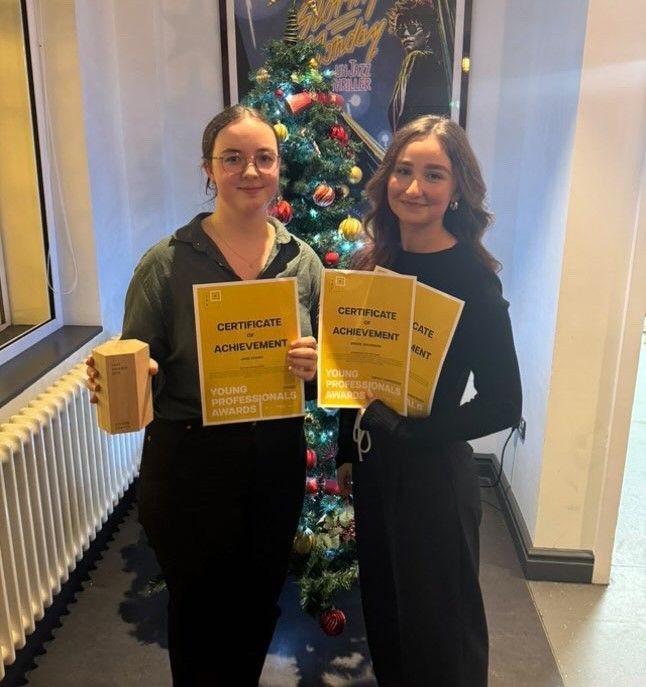
Alongside a number of heritage awards across multiple projects, SPACE received an RIBA North East Award for The Farrell Centre. The practice was also recognised as a three-star Best Company and named Best Small Company to work for in the North East.
2026
SPACE Architects marks seventy years of practice with a year-long programme of celebratory events and activities.
Scroll sideways or use the arrows. Highlighted years are key moments.
People make Space
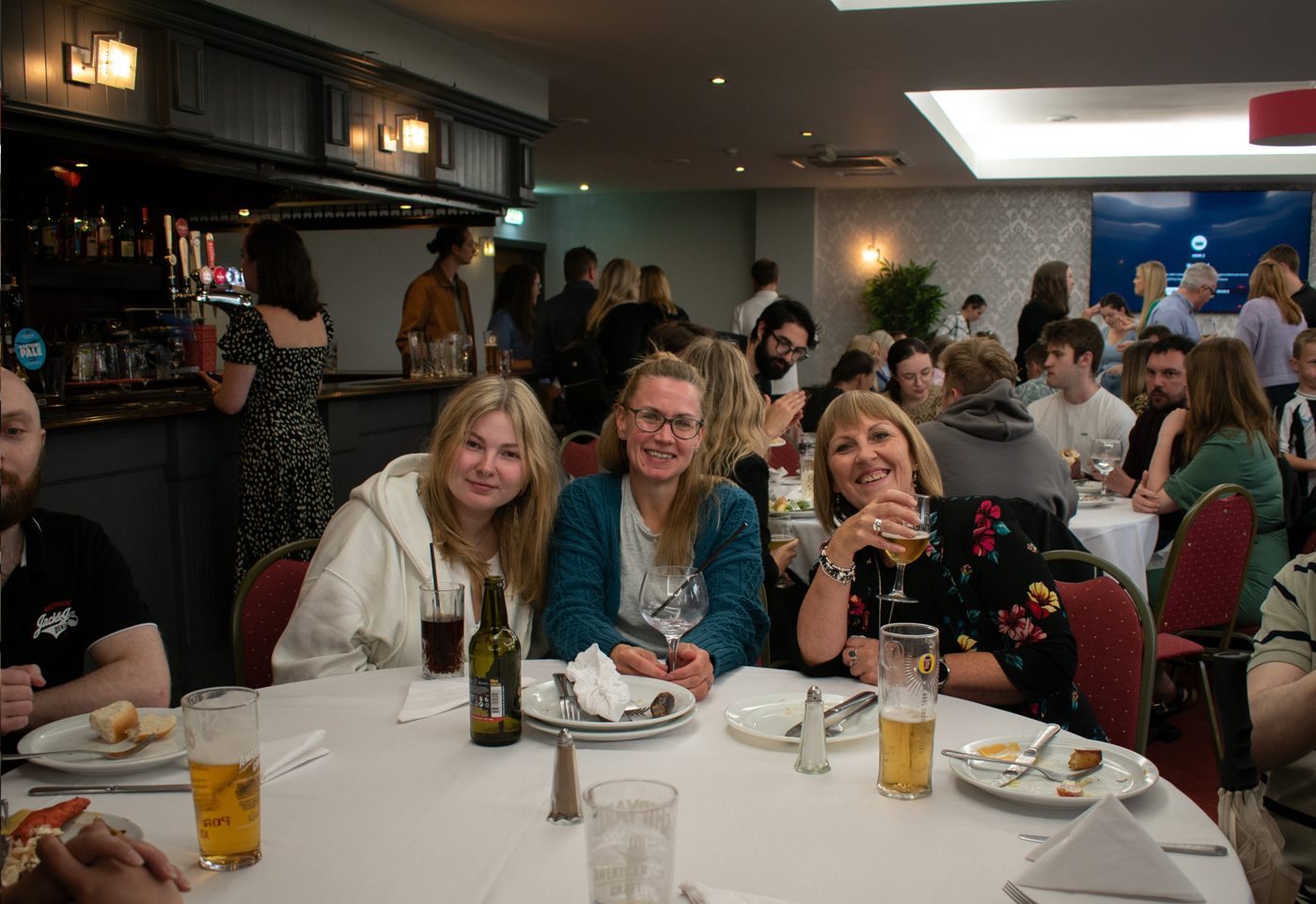
We're proud of our family-centred culture.
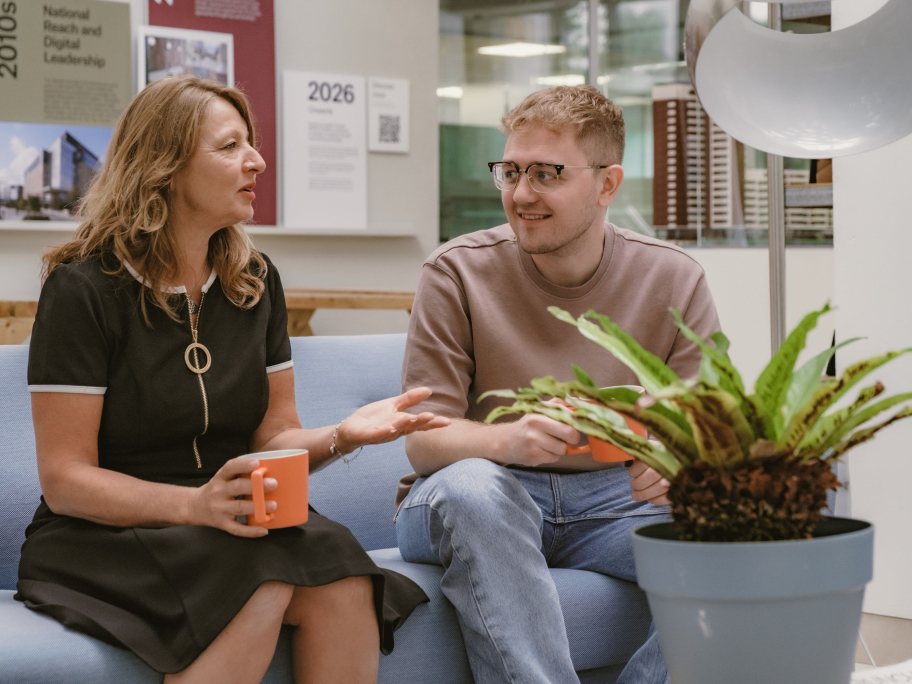
We care about each other, support one another and have become friends. We hope you will too as you get to know us.
Many of us have worked together for decades, seen our children and grandchildren born and grow up, and celebrated the highs and the lows, personally and professionally.
We hope to celebrate all your successes too. You're part of our team now.
How we work
…and what you'll find instead.
Read The SPACE Way of Working →We all have a role to play in the success of the business.
We have a flat structure. Rather than a hierarchy, everyone has a different role to play and a range of responsibilities.
For example, Rob, our CEO, watches the environment we're working in, sets the vision and helps everyone achieve it. His role is to make the tough decisions so you can focus on yours. Julie looks after reception and answers the phone. She's the first voice and face of the business, setting its tone.
The word “staff” is banned across the practice.
It suggests a hierarchy, with some people lower than others, being given orders.
Space is full of people. Every one of them, including you, is different, with their own story and needs. They all bring something to the team and work towards our shared purpose. We're looking forward to seeing the difference your contribution will make.
You can take your career as far as you want.
We want you to develop to your full potential, and we're here to support your ambitions. Some of our directors joined at the very start of their careers and now support our international growth.
We focus on ability and attitude, not just qualifications. We're big advocates of apprenticeships and committed to continuous learning for everyone, whatever stage you're at.
If our culture is right, no one should need incentivising.
Spacers want to be supported, encouraged and valued. And we never forget that a pat on the back or a thank you goes a long way.
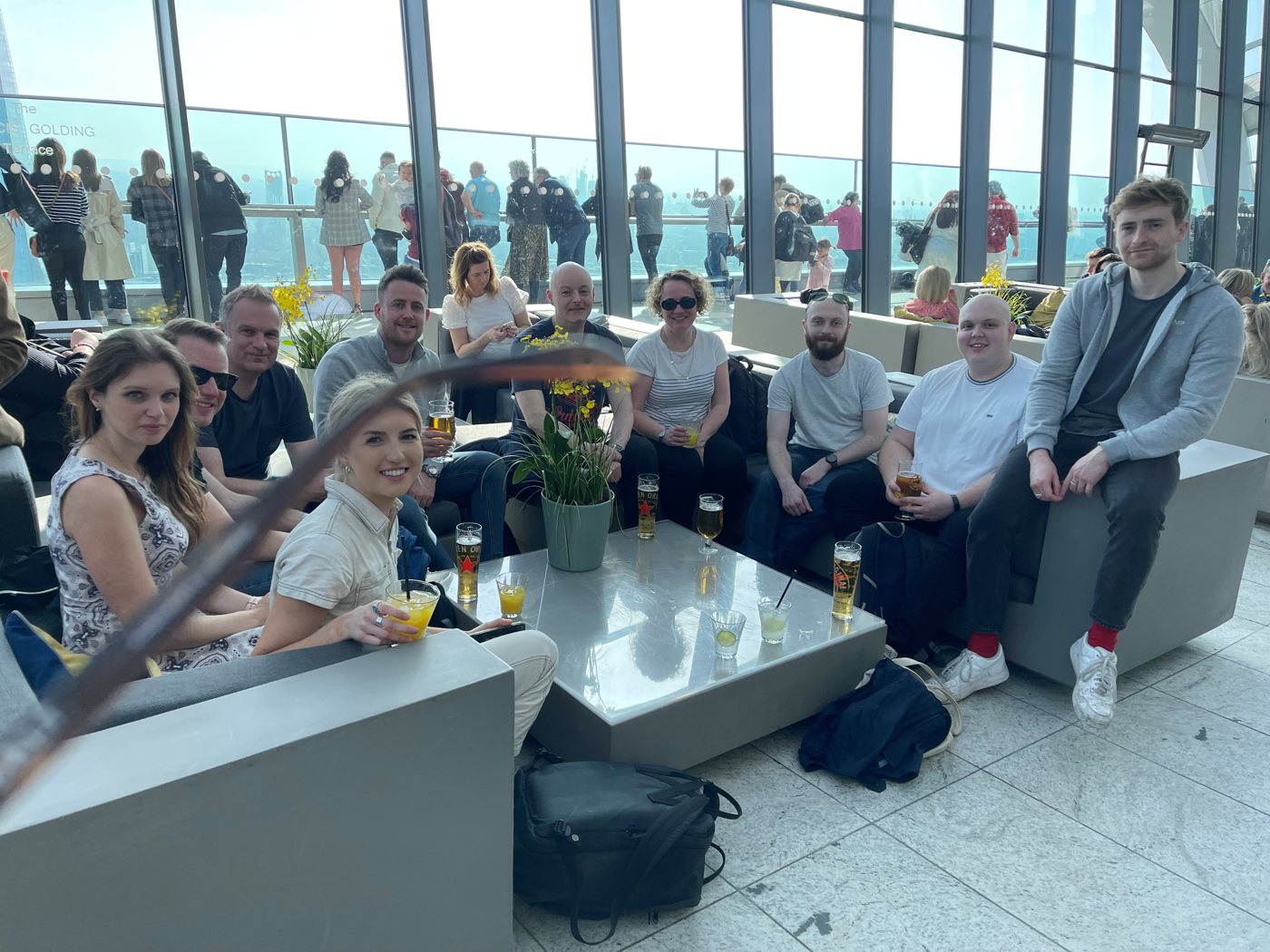
We do share in our successes, and treat ourselves once in a while.
Because there are no individual offices.
We share a communal space that suits everyone's needs, and everyone is accessible when they want to be.
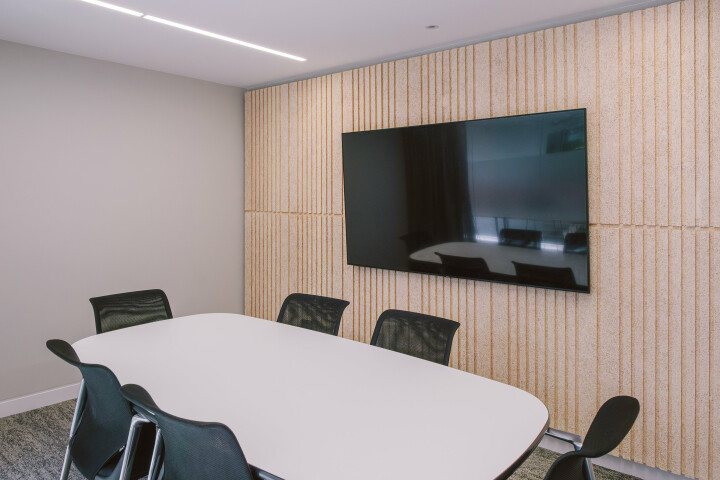 Need peace?Use one of the rooms.
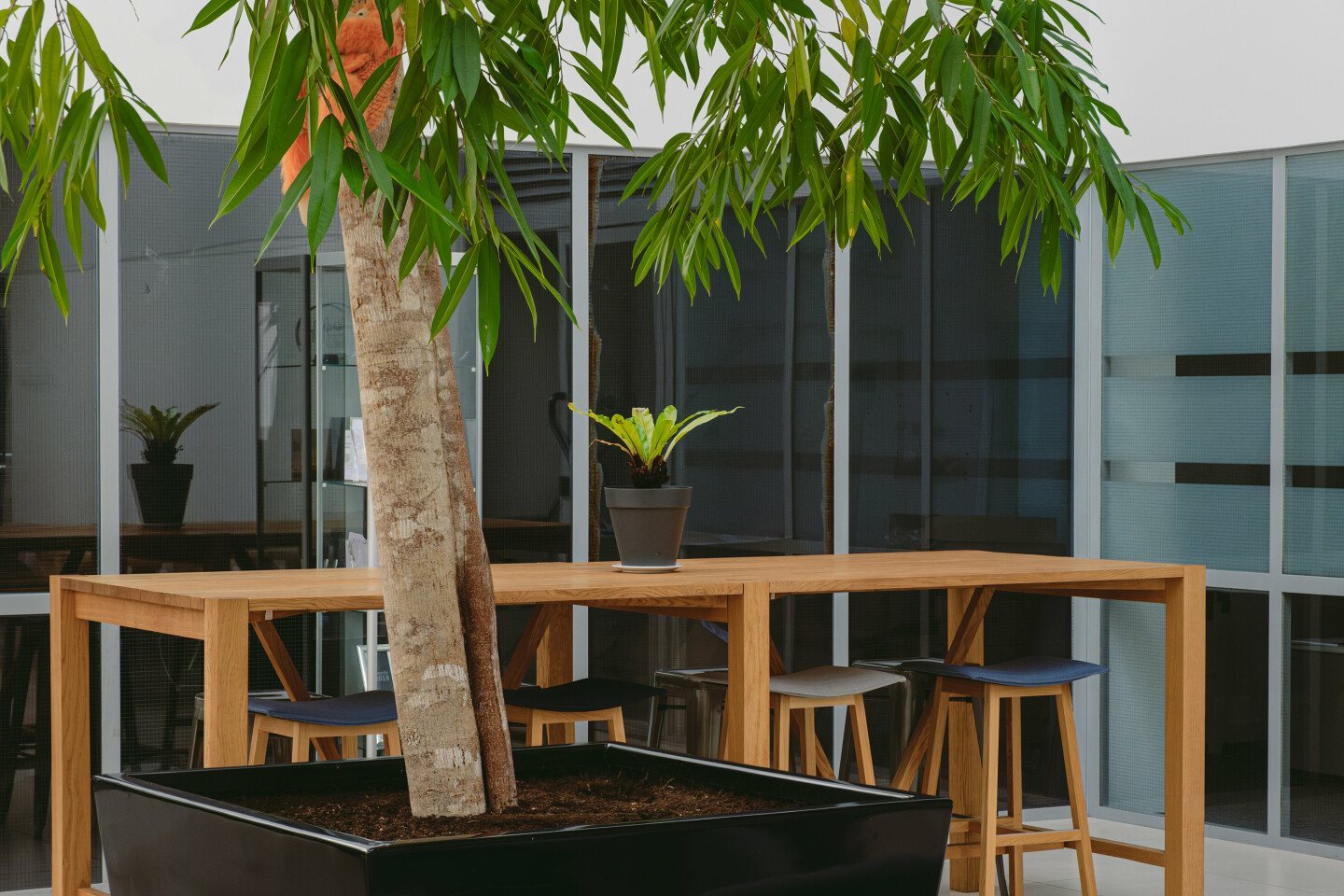 Collaborating?Use the café.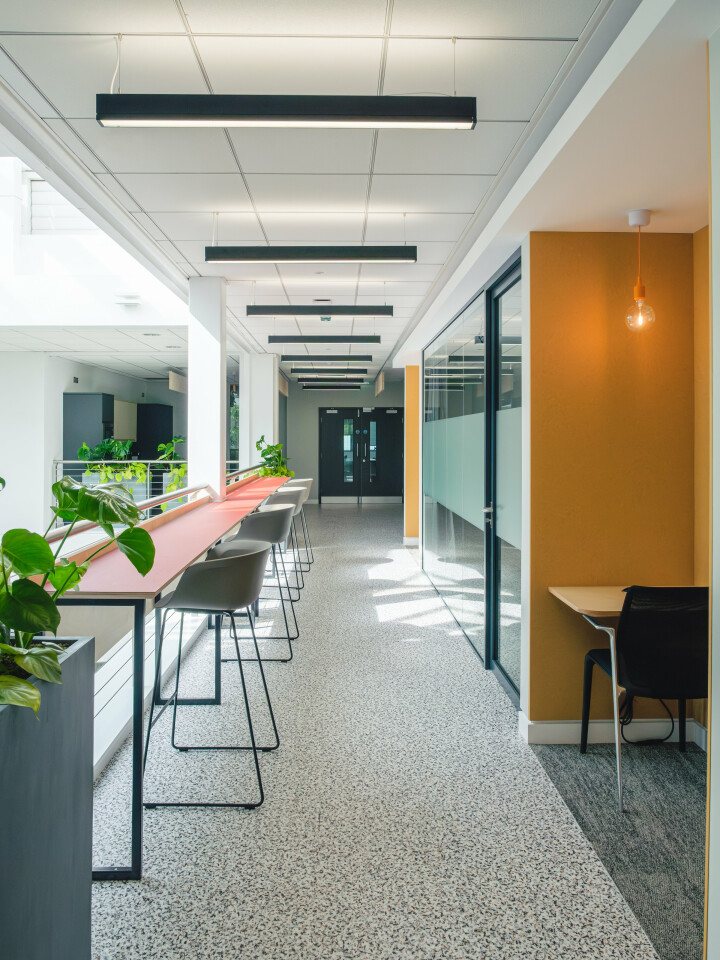
What you do here isn't a job. It's a career, built on the five elements.
Feeling valued, fair reward, being challenged, inspiring projects and clear progression. See 54321.
We're open about everything we can be: good news, bad news, fees, budgets and profit.
| What | How often |
|---|---|
| Monday catch-up with Rob (whole team, then individual teams) | Mondays at 9am |
| Team meetings | Every week |
| Pizza Friday | Last Friday of each month |
| One-to-ones | Every month |
| Development discussions | Every six months |
Pizza Friday gives an overview of what's happening across the practice, with a “welcome, well done and wonderful” slot for a pat on the back.
What happens next
A fellow Spacer chosen to help you settle in.
Your group leader or any Spacer can connect you with IT, HR or other support.
Meet your team, set up equipment, explore our projects – and find the coffee!
Mondays at 9am with Rob.
Last Friday of each month, on the dancefloor.
Regular catch-ups from the start, followed by a three-month review.
Reference
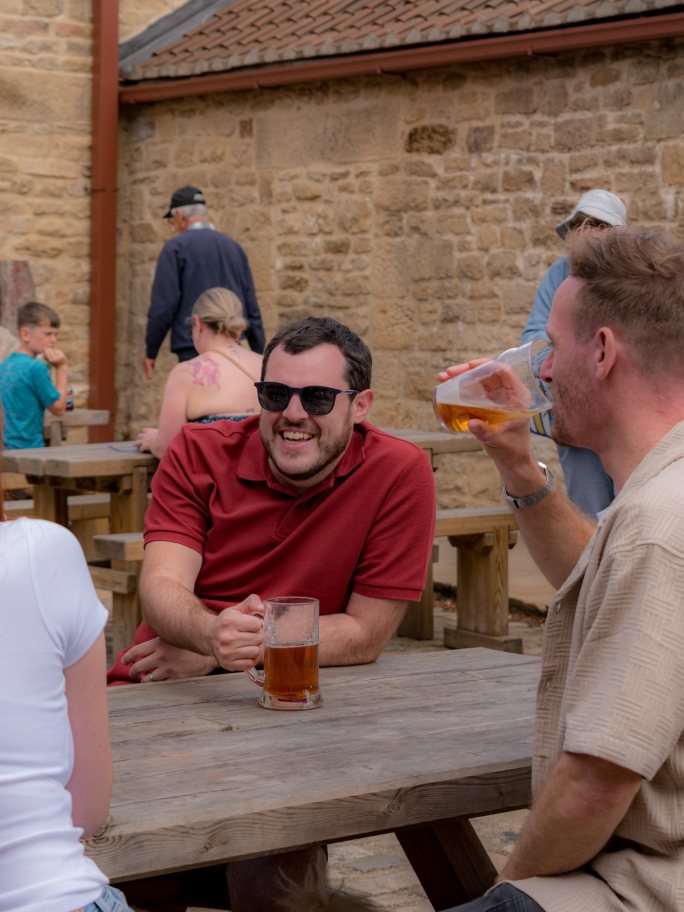
At the core of Space Group is enjoying what we do and being happy. A big part of that is working with people we like, including our partners and clients, in partnerships where our input is valued.
Space has been around since 1956, and it is still a work in progress. We want to enjoy what we do, make a difference and be around for another seventy years. We're delighted to have you on board.
Welcome aboard.
Starting at SPACE Architects
Everything you'll want to look up in your first weeks, in one place.
Quick answers
Your induction
| Topic | With |
|---|---|
| QA and environmental | Lynn Thompson |
| The Space Way | Rob Charlton |
| HR | Diane Charlton |
| BIM | Nick Craggs |
| Document management | Marie Carr |
| Finance | Lisa Parmley |
The SPACE Way of Working
This is not a rule book. It is a guide to our shared way of working.
We work together with trust, care, responsibility and good judgement. We recognise expectations of work vary, so our model gives flexibility within a clear framework, ensuring fairness, consistency and effective teamwork.
The SPACE Way of Working
You have a consistent working pattern, agreed with your Group Leader and visible on Node.
The core of how our teams work together, so we can connect, learn and innovate. During core hours:
An important part of our model.
Early career: office presence is expected to support learning and development. This includes Part 1 architects, apprentices and trainees.
Everyone else: balanced hybrid working to suit project and team requirements.
Part-time arrangements are supported where appropriate: agreed formally, designed as longer-term arrangements, and supporting team coordination and delivery.
The working day is primarily for work. Personal activities and appointments should be arranged outside working hours where possible.
The SPACE Way of Working
PrincipleIf unavailable, it must be visible.
PrincipleNode records. Calendars communicate.
Availability is essential, and communication is paramount, by phone, Teams and Outlook.
Node is used for: annual leave, formal and occasional absence, and agreed working arrangements.
Calendars are used for: daily availability, appointments and working patterns.
Reliability matters.
Flexibility is supported where delivery is strong, communication is clear and reliability is consistent. Where this is not the case, greater structure may be needed.
Group Leaders may agree temporary changes, personal circumstances and occasional adjustments, as long as they are communicated, visible and keep the team effective.
A practical guide
The SPACE testWould I be happy for this tone, decision or behaviour to shape our culture?
Be professional, be nice, and leave people feeling respected.
Good work matters, but how we get there matters too.
No angry emails, please. Draft it. Read it back. Maybe delete it.
Ask whether it solves the problem or simply transfers the frustration.
Tell us early, so we can support you and plan properly.
Absence is monitored, not to catch people out, but to understand patterns, offer support and resource work responsibly.
Your Group Leader is your first point of contact, and will give you their mobile number. Save it, and use it for absence or anything urgent.
Holiday is part of doing good work. It should be planned, protected and used.
Architecture can be demanding. We acknowledge that without making pressure the culture.
Family life can be unpredictable. When something unexpected happens, we will do our best to give parents and carers the extra flexibility they need.
We trust people to speak openly with their team and agree an approach that supports their family while meeting the needs of colleagues, clients and projects.
We want everyone to have the time and energy to enjoy life outside Space. Staying late or working at weekends should not be seen as normal or expected.
Occasionally we may need extra effort for an important deadline, but that should be the exception, not part of our everyday culture.
A guide, and a reminder for us all
We want people who care passionately about the work, without feeling they have to sacrifice everything else to prove it.
People focus
Development at SPACE should feel continuous, not something that only appears at review time.
One-to-ones help with support, priorities and feedback. Development Discussions cover your work, learning, confidence, wellbeing and future ambitions. The aim is to help you develop your career.
Benefits
The SPACE calendar
| What | When |
|---|---|
| Pizza Friday | Last Friday of every month, on the dancefloor |
| Thinking Thursdays | Every other Thursday |
| CPD programme | Monthly |
| Design reviews | Friday mornings, as required |
| Graduate programme | Every other week |
| Event | When |
|---|---|
| Architectural visit | Varies |
| Doddie Cup | July |
| Thrive Week (summer) | June |
| Summer BBQ | August |
| One Space | November |
| Shift | November |
| Thrive Week (winter) | December |
| Christmas Party | December |
Our people
SPACE Architects works in five groups, each led by a director.
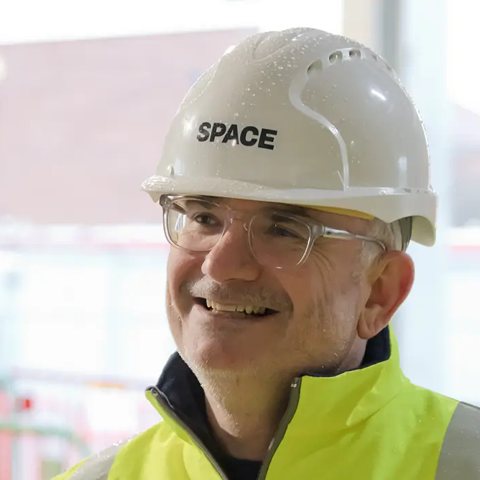
CEO
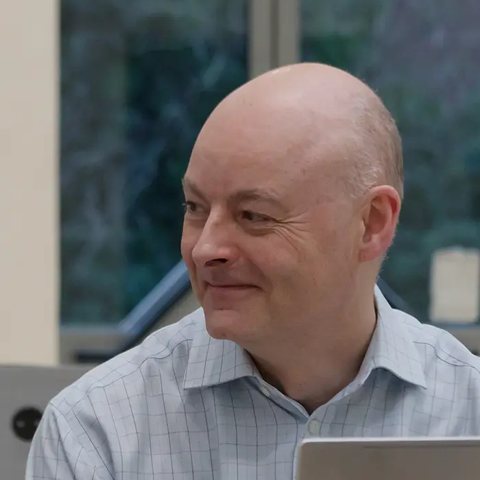
Director · Group 1
Planning supervision, higher education

Director · Group 2
Retail, local government, schools

Director · Group 3
Schools, local government

Director · Group 4
Retail, schools, residential
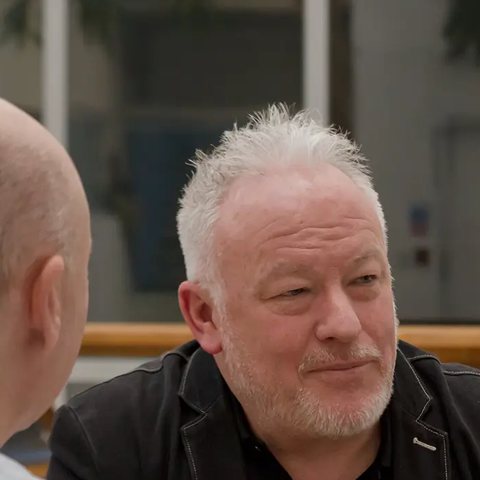
Director · Group 5
Local government, schools, higher education
What we do
Share of SPACE Architects' work by sector.
We're a certified B Corp: verified by B Lab as meeting high standards of social and environmental performance, transparency and accountability.
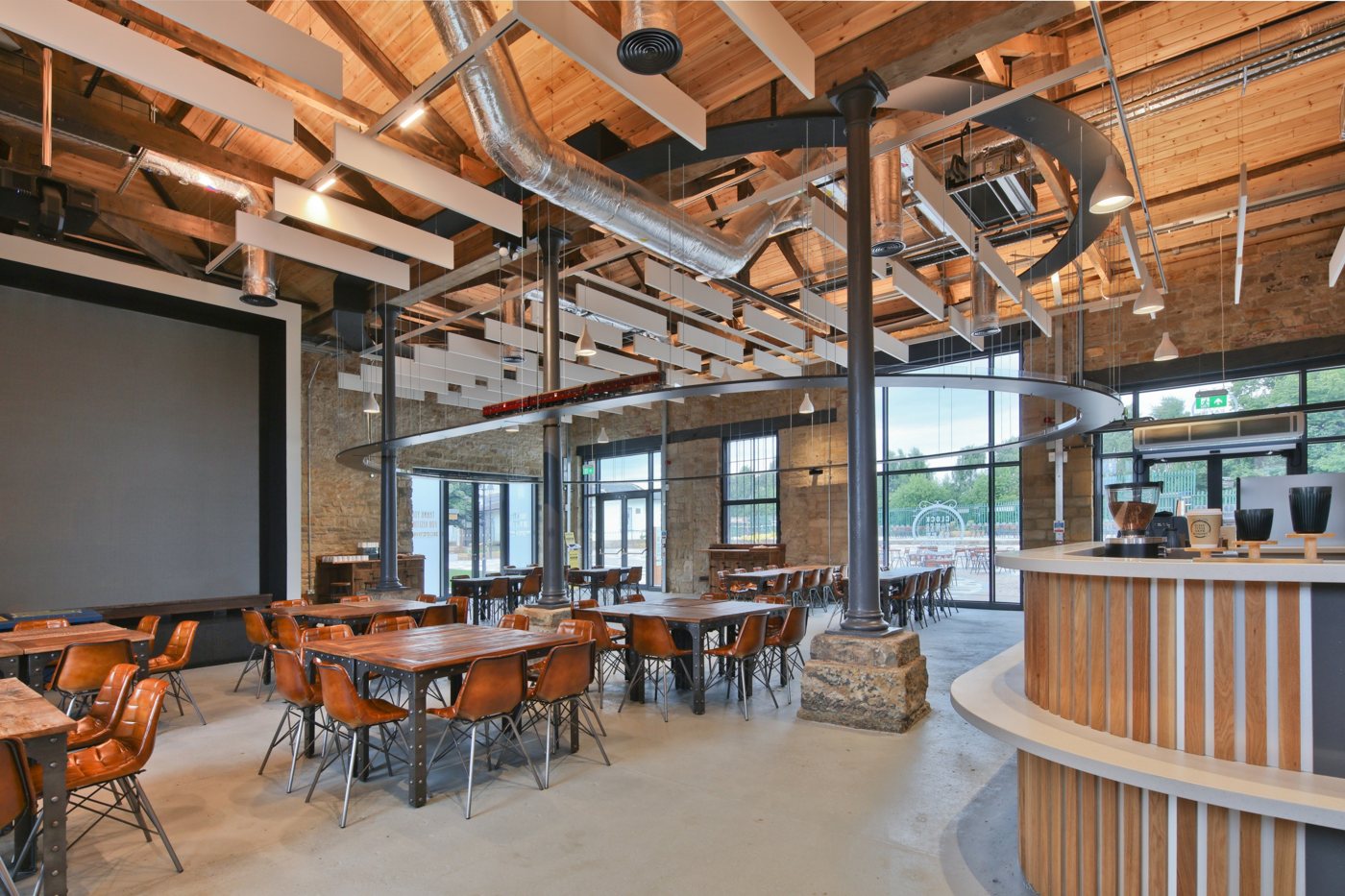
Existing buildings are full of history and often at the heart of their community. Rather than demolish them, we bring them back to life as a catalyst for regeneration, cutting embodied carbon by keeping what's there.

We use new approaches, technology and research to design and build better buildings, quicker and cheaper, with less waste and lower carbon. Our team includes technologists, coders and data scientists as well as architects.

Buildings contribute 40% of carbon emissions. We consider operational and embodied carbon from the outset of every project, when passive design measures make the biggest difference.
The studio
Policies and procedures
All of these are on the HR section of Node.